


.svg)

Bevel Cutting Metal: The What, Why, and Opportunities
Bevel cutting metal is a process worth learning more about because it comes with a long list of benefits. Many of those benefits translate into significant cost savings, making it an advantageous technology that can give manufacturers a serious competitive edge.
What is bevel cutting?
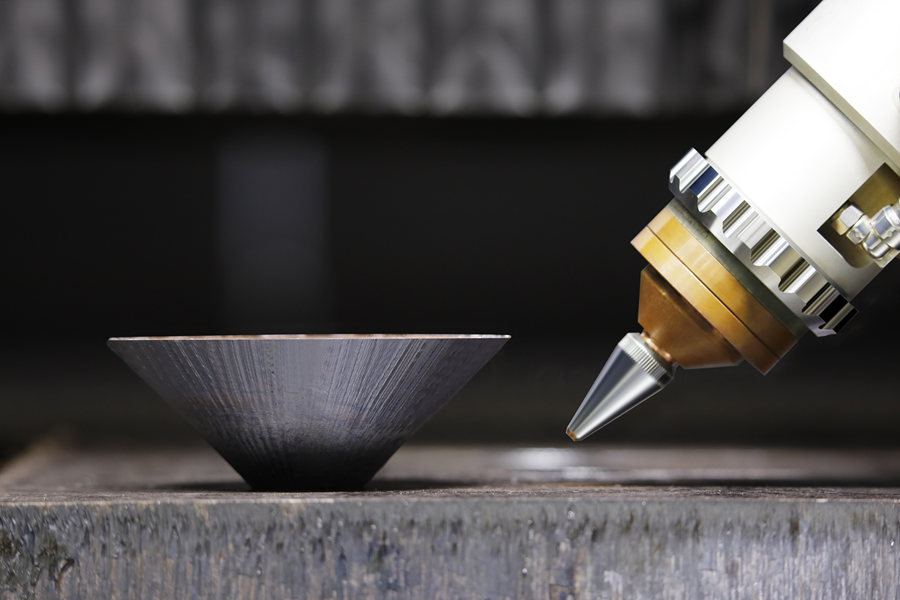
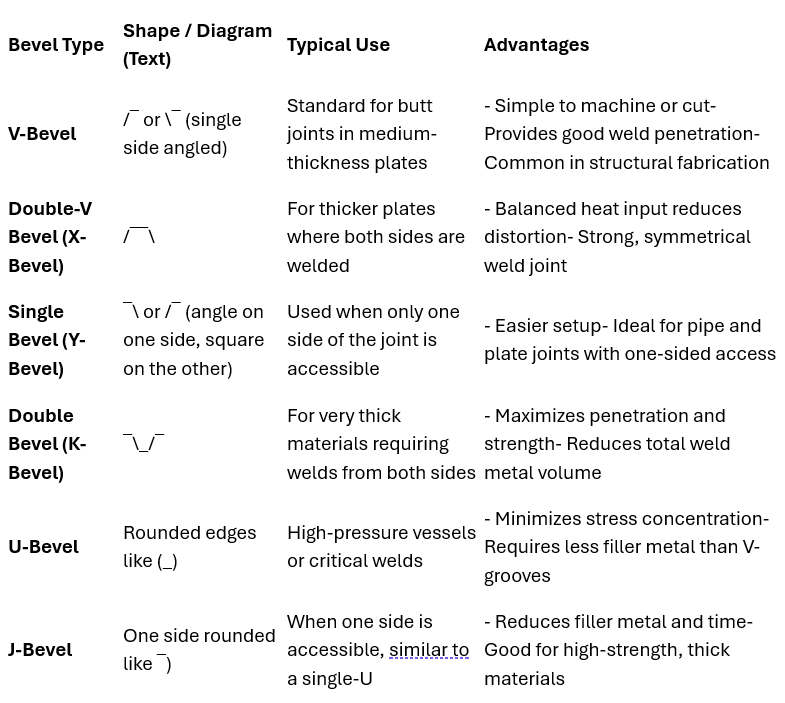
Bevel cutting is the process of cutting metal at an angle. Typically, the cutting angle ranges from -45 to +45 degrees, and can be achieved with a mill or with plasma, oxy-fuel, waterjet or laser cutting. These metal cutting machines can cut V, X, Y, K type bevel cuts on sheet metal, tubes, and pipes.
What are the benefits of bevel cutting?
Bevel cutting metal offers functional, structural, and aesthetic benefits, depending on the application and industry. Here are some of the main advantages:
- Weld Preparation. A beveled metal edge has more surface area than a straight cut, allowing for deeper and stronger welds. Bevel cutting can also lead to a more consistent joint quality; this is especially true for thick metal parts, where a square cut would not allow for proper weld penetration.
- Stronger Weld Joints. Beveled joints distribute stress more evenly, reducing weak points and improving structural integrity.
- Minimal Post-Weld Processing. Parts with bevel cut edges lead to cleaner and more precise welds that require less finishing.
- Easy Assembly. In some cases, the angled edges produced by bevel cutting can lead to easy assembly, especially for items like pressure vessels, pipes, towers, railcars, and frames.
- Aesthetics. Bevel edges often have a more refined look, especially on edges visible to the handler.
- Improved coating and surface treatment. Beveled edges allow for more even coating coverage, reducing peeling or corrosion risk.
What bevel types are typically used for metal cutting and welding?
Can fiber lasers bevel cut? What are the benefits of a fiber laser bevel cutting?
Modern fiber lasers with 3D cutting heads can efficiently bevel cut metal, giving manufacturers an opportunity for significant cost savings. Fiber lasers produce cleaner bevel cut edges than plasma and oxy, and have less heat affected zone. In many cases, parts produced with laser bevel cutting can go straight to welding after cutting. This eliminates the need for post processing that is typically needed after plasma, oxy, or secondary beveling operations.
In addition to reduced labor costs from the elimination of post processing, utilizing a laser for bevel cutting also reduces the amount of steps in the process and saves production time. Lasers have lower operating costs than plasma cutters, cut at higher speeds and occupy less floor space than large gantry mills used for beveling. Fiber lasers can also be used for hole drilling and marking, further reducing the need for machines that typically do these functions.
Can a laser with the bevel cutting feature cut different angles in one cut?
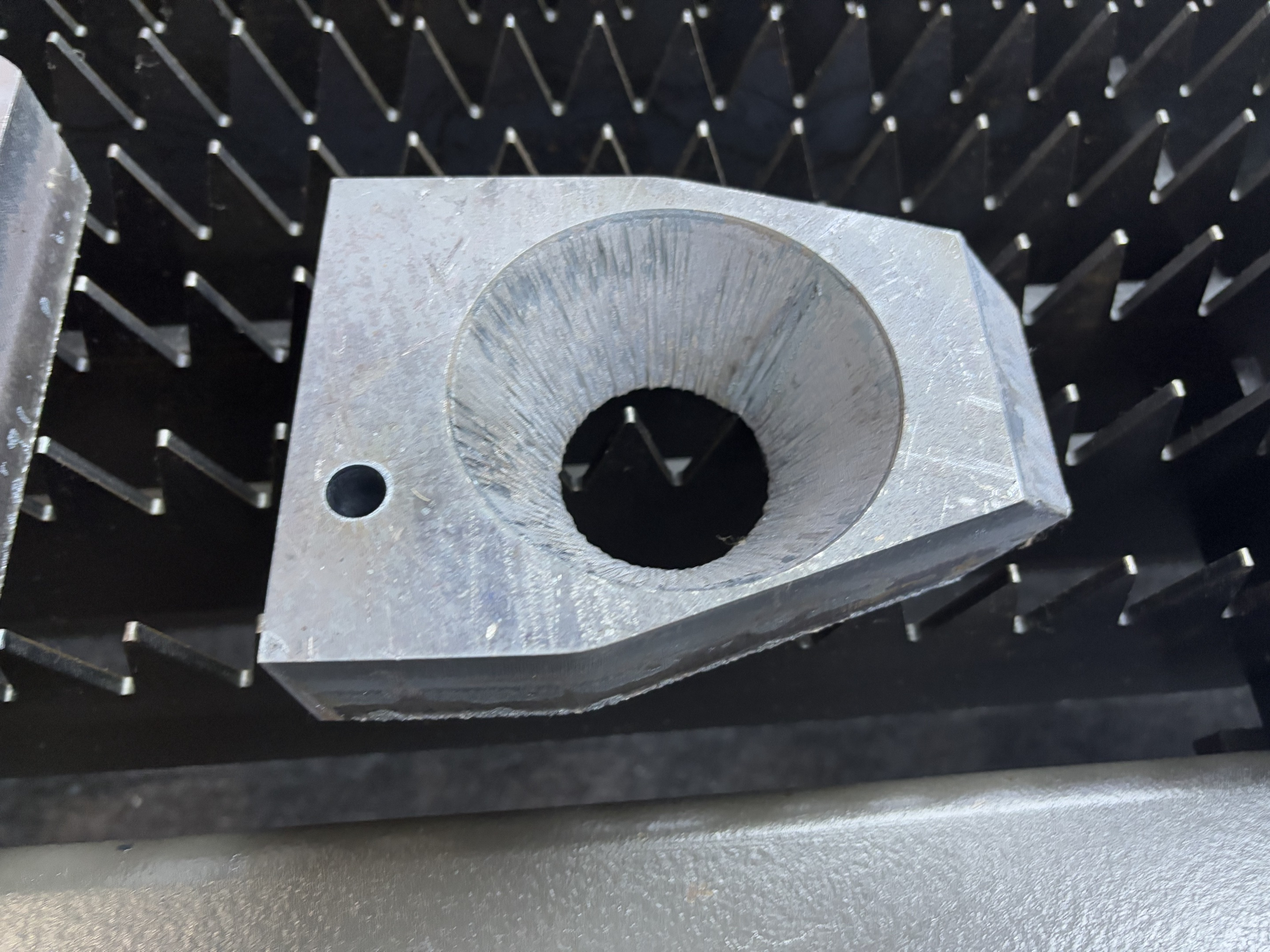
Lasers with a 3D cutting head can typically do V, X, Y, K type bevel cuts---and can do more than one of those types in one cut. In addition to this capability, fiber lasers can offer bevel cutting at high speeds; some fiber lasers offer bevel cutting and a massive 60kW of cutting power. To select the right machine with the right wattage and cutting capabilities, contact a sales professional with project specifications.
How can manufacturers utilize bevel cutting to its full potential?
Like many metal cutting processes, bevel cutting technology has evolved. Today manufacturers can benefit from bevel cutting while simplifying their processes and saving money. A fiber laser with a 3D cutting head can replace cutting and post processing machines, and produce the quality bevel cuts needed for everyone's benefit.
